Understanding the "why" - with a detour into data, evolution, entropy, mitochondria, and an interesting breed of rats
“No one knows what it means, but it’s provocative, it gets the people going” - Will Ferrell
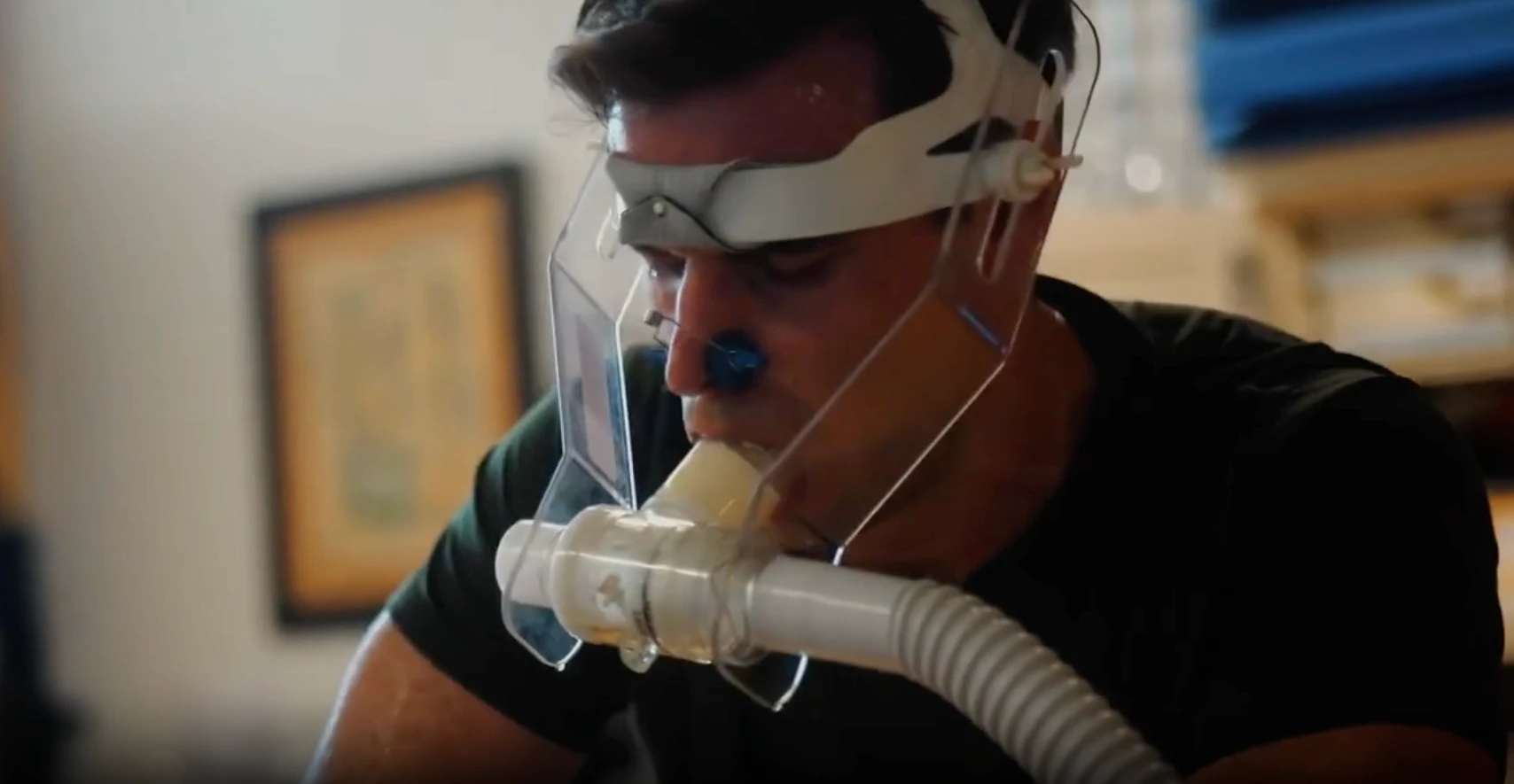
I’ve been measuring oxygen consumption (V̇O2) on various people continually since 2018. Everywhere from the basement of UConn’s Gampel Pavilion to a US Army lab at one of the highest altitudes in the United States. When you’re a physiologist and human performance scientist, it’s just something you do because V̇O2 is a critical part of human biology.
Recently, maximal V̇O2 (V̇O2max) has surged in popularity. From where I sit, the renewed interest is driven by health/medicine influencers with big platforms, and that some metabolic analyzers are now cheap (we’ll save their accuracy for another day).
And then they talk about it. A lot. And a lot of them don’t really know what it means, but it’s apparently provocative.
The increased awareness is a win, because it is a relevant health metric, perhaps even a vital sign. We know that higher V̇O2max or aerobic fitness is associated with lower risk of death and disease, and that type of language is good for views.
These studies started popping up in the 1980’s and every one of them has shown the same thing. And the effects aren’t small. In the latest iteration, for people in their 50’s, 1 out of every 3 (33%) in the lowest fitness bracket (bottom 20%) died within ~10 years. In the highest fitness bracket (top 3%), the death rate reduced to 5%.
But why is that the case?
Dumb data
In The Book of Why, Judea Pearl goes deep into the science of cause-and-effect, or causality. This matters because when you understand what truly causes something, you can intervene and change the outcome.
But often we see relationships that look causal and aren’t. The classic example is ice cream sales and crime. Both rise in summer, but eating ice cream doesn’t cause crime. They’re associated because they share an underlying driver: warm weather.
Associations can point toward causality, but they’re not enough to prove it.
This confusion bleeds into the health space frequently. Think about age and mitochondrial function or muscle mass. Does older age actually cause these things to get lower? Or because older people are more inactive?
If it’s the latter, an NAD+ supplement won’t fix it.
Big Data
Massive data sets (like the UK Biobank) let researchers test thousands of associations between lifestyle, biology, and disease. This drives medical discovery, but the data are mostly observational, so they tell us what is linked, not why.

Some types of data collected in the UK Biobank.
As Judea Pearl put it:
“I hope to convince you that data are profoundly dumb. Data can tell you that the people who took a medicine recovered faster than those who did not take it, but they cannot tell you why. Maybe those who took the medicine did so because they could afford it and would have recovered just as fast without it.”
V̇O2max and longevity - is the data dumb?
The impressive statistics between V̇O2max and longevity are still just associations.
In these observational studies, low V̇O2max might reflect cancer or COPD preventing adequate exercise. Is low V̇O2max causing death? Or is disease causing both?
If a stage 4 cancer patient had a V̇O2max of 75 ml/kg/min, would they have survived?
The data are too dumb to tell you!
So what about V̇O2max mechanistically makes it relevant to health? Saying “because it reduces your risk of death” isn’t enough. Yes that’s true, but it’s an association. Fortunately we can anchor this concept to deeper insights.
Evolution
Oxygen wasn't always present in Earth’s atmosphere. It’s thought to have increased above zero ~2.5 billion years ago, eventually increasing to the present-day value of 150 mmHg.
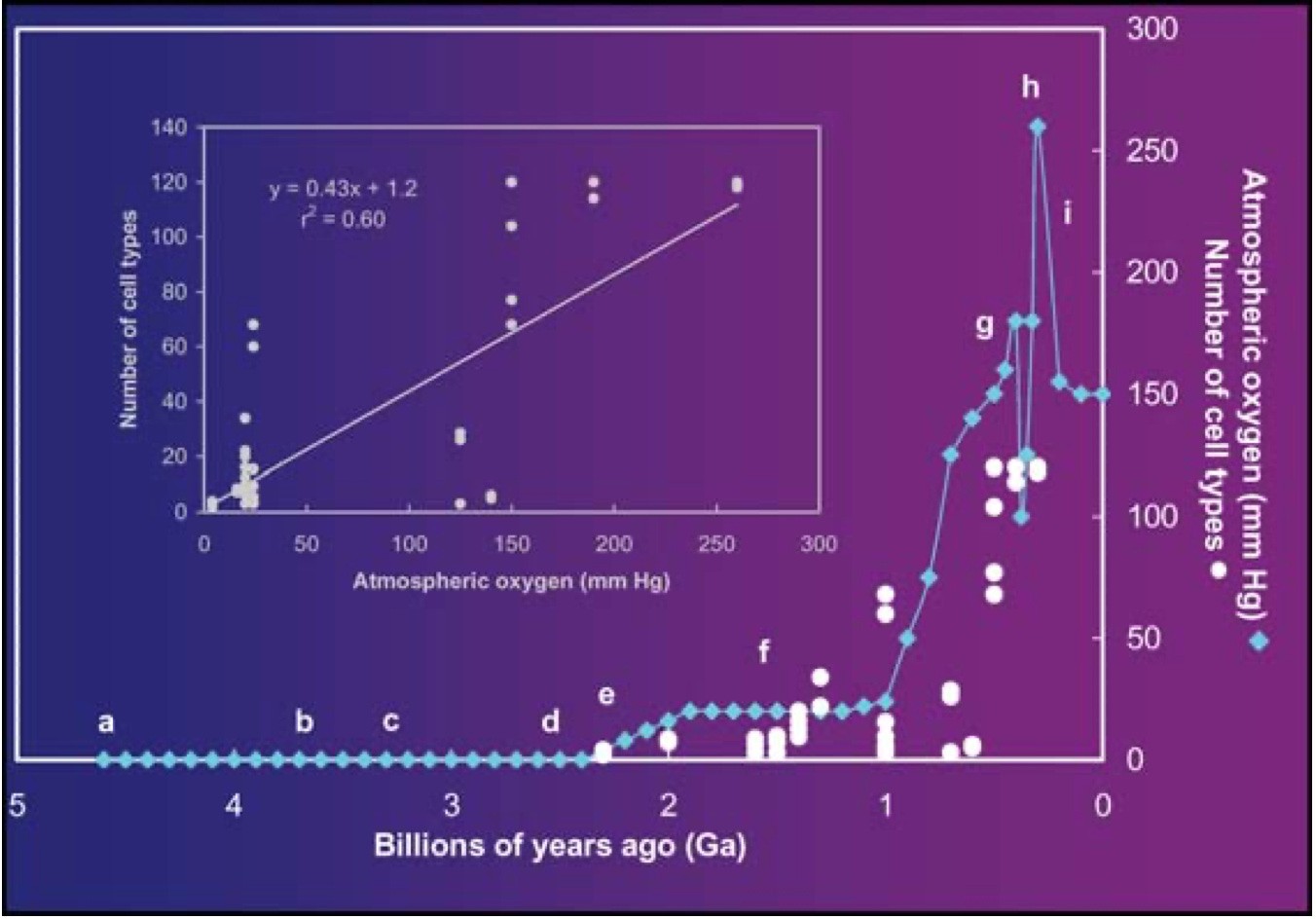
The history of Earth’s oxygen levels (blue line) and number of cell types on earth (white dots).
Before oxygen, there was a bunch of single-celled organisms: bacteria, some algae and fungi. They used glycolysis or anaerobic metabolism to produce energy, which I’ve talked about a ton in other blogs as it relates to exercise.
Humans are multi-cellular; we have many cells (muscle, immune, neurons, etc.) all with specialized jobs. This makes us biologically complex: the degree of organization, specialization, and coordination inside a living system. Simply put, we have much more “going on” than a single-cell bacteria.
As oxygen rose on Earth, biological complexity was unlocked. The figure above shows that as oxygen rose, the number of cell types rose with it: roughly one new cell type for every ~2 mmHg increase in atmospheric oxygen.
Energy and entropy
Entropy is a measure of randomness or disorder in a system. In life things naturally trend toward disorder (like DNA errors with aging) and we are always fighting this drift. Everything is working against us.
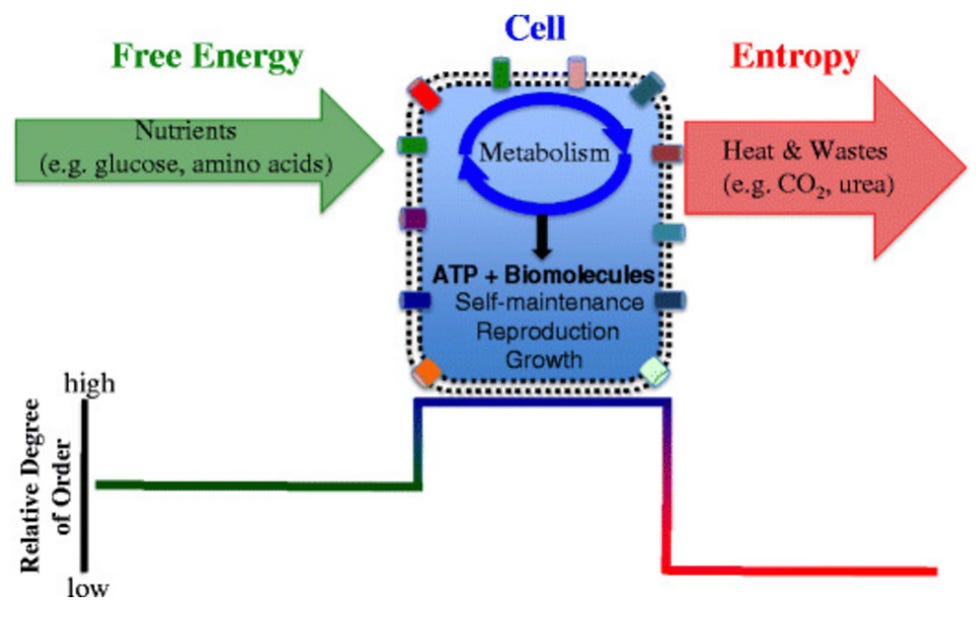
Entropy in biological systems.
The only way to mitigate entropy is to put energy into the system. Your room gets messy unless you clean it. The body can’t maintain the organized cellular processes that keep us alive without energy input (food).
Unfortunately, we can’t destroy entropy, and every time we break down food for energy to do work, like contract a muscle, we produce some entropy. The irony.
Entropy of the body + the environment must increase (>0) for any process to occur. The important piece is “+ the environment”. This means we can decrease entropy internally as long as we raise entropy in the environment even more. We can literally have our cake and eat it too.
Living systems are dependent on outside energy fluxes to maintain their organization and dissipate energy gradients to carry out self-organizing processes. - Lauren Koch and Steven Britton, 2022
We do it by exporting high-entropy metabolic byproducts from inside to outside the body, such as heat and CO₂. When metabolism is fired up during exercise, we hyperventilate (breathe CO₂ into the environment) and sweat (evaporate heat into the environment). Humans are notoriously inefficient: about 80% of the chemical energy for useful work (walking, lifting) is “lost” as heat. We’re walking radiators.
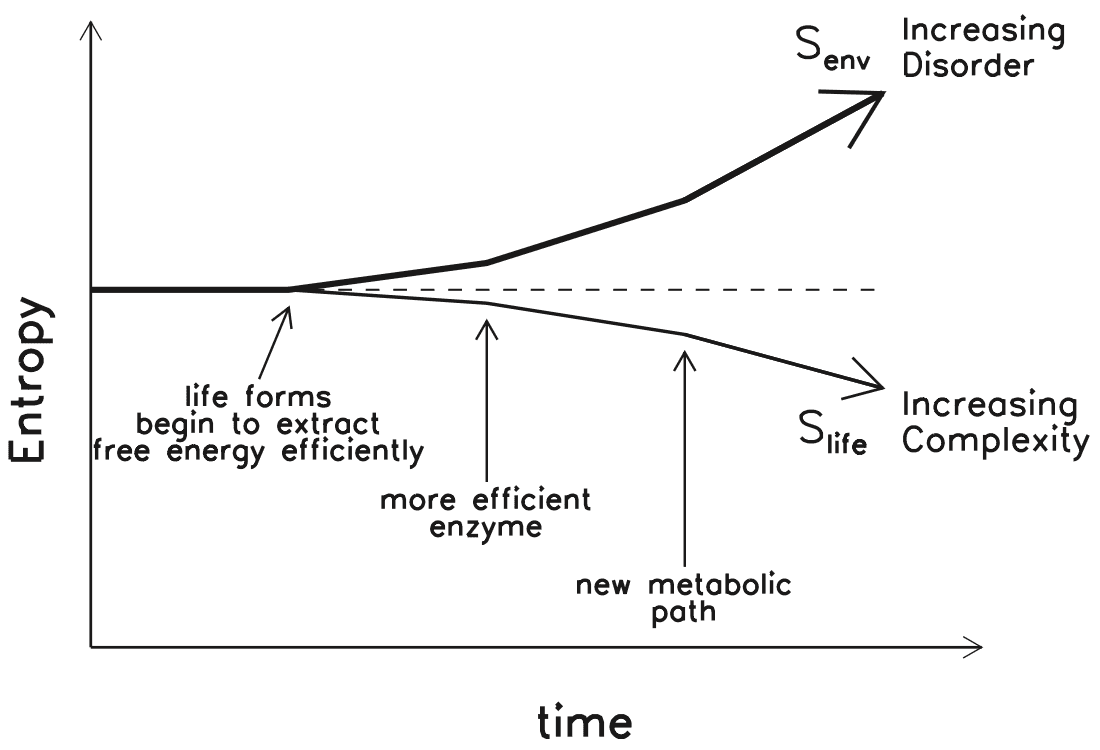
As we got more efficient at extracting and producing energy, we became better at pumping entropy (S) out to the environment and decreasing it internally.
Oxygen-dependent biology
As oxygen accumulated on Earth, organisms developed increasingly complex mitochondria, the machinery of aerobic metabolism and our internal entropy pump.
We consume low-entropy food and O₂, break down their high-energy chemical bonds, strip off electrons and send them to the mitochondria, release free energy to do work, and dump the waste (heat and CO₂).
Example: A pile of firewood is low-entropy, the ash + smoke are high entropy.
Aerobic metabolism is essentially a multi-step energy-transfer machine.
Oxygen’s physical and chemical properties make it an exceptional electron acceptor. It has one of the strongest electron affinities in biology, second only to fluorine. In the electron transport chain, oxygen is the final electron acceptor. When electrons reach oxygen, they react to form water. CO₂ is produced earlier as carbon atoms are oxidized and then exhaled. Heat is released at every metabolic step.
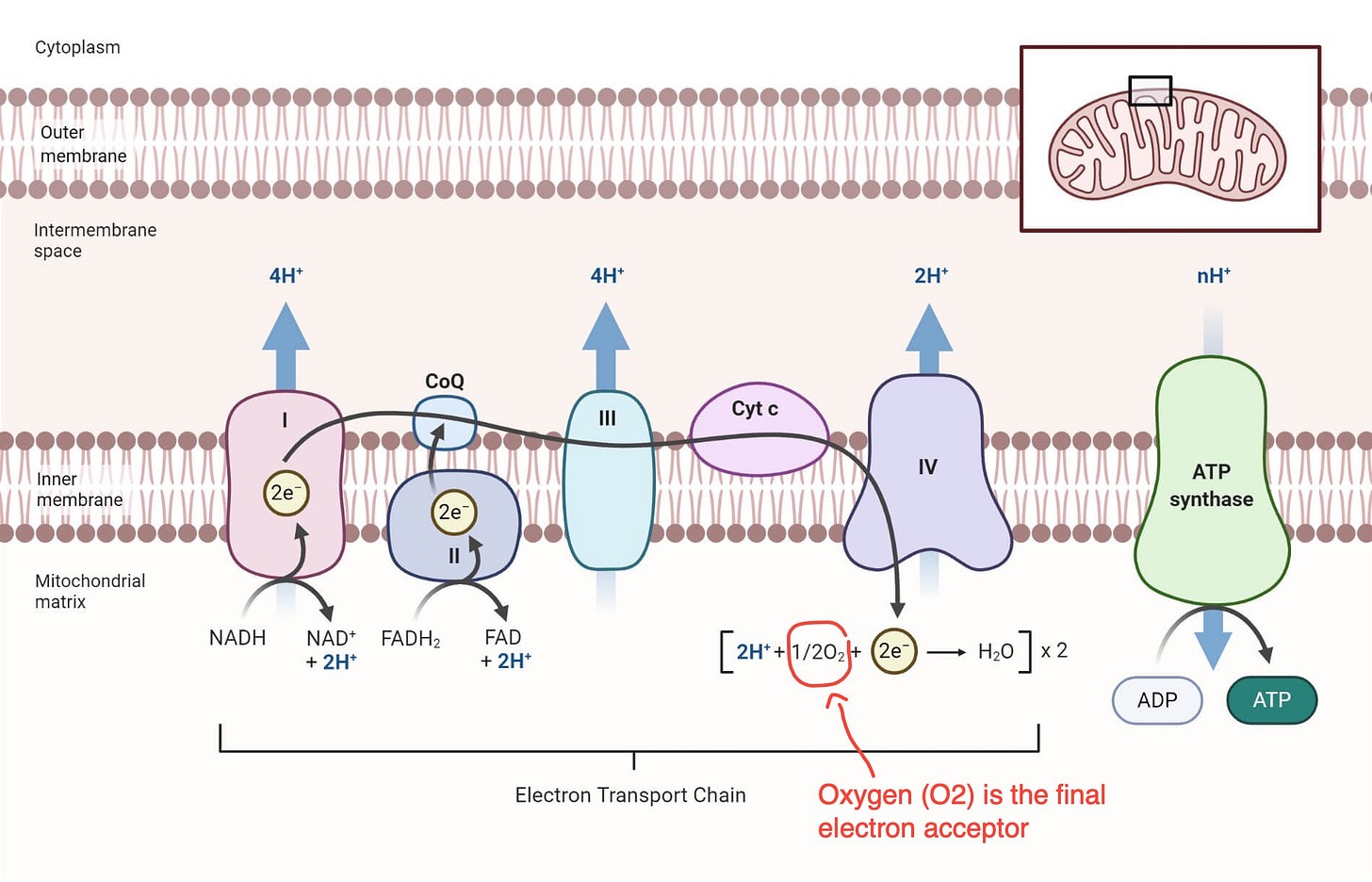
The electron transport chain, a critical piece of aerobic metabolism and mitochondrial energy production. The yellow circles are electrons.
Oxygen is like a vacuum that sucks in electrons. It’s a powerful driving force that releases large amounts of free energy each time electrons move toward it. Species that evolved to use oxygen efficiently could generate far more energy, support more specialized cells, complex tissues, and larger, more capable organisms.
At the same time, aerobic metabolism is entropy export machine. Without the ability to export entropy we’d become fatally disordered within minutes. Running a 5k, for example, would kill you either from heat stroke (can’t dump metabolic heat) or respiratory acidosis (can’t breathe off CO₂).
Oxygen fueled biological complexity by enabling a highly efficient energy-transfer process paired with powerful entropy-export mechanisms.
Back to V̇O2max and health
If we believe that excess entropy accumulation in the body is bad by promoting internal disorder, it makes perfect sense.
V̇O2max is the highest rate at which we can bring in oxygen from the air and use it as the final electron acceptor in mitochondria. You could also define it as our maximal ability to produce energy and export entropy.
It reflects the maximum possible:
electron flux down the electron transport chain
free-energy release
heat production
entropy export to the environment
One study in humans has quantified this using state-of-the-art heat measurements (metabolic production and export to the environment) during exercise to quantify the flow of entropy.
Older age, low fitness, and presence of disease (diabetes in this case) all produce greater entropy accumulation during stress (exercise). V̇O2max was negatively related to entropy accumulation (higher V̇O2max = lower entropy accumulation).

Entropy accumulation during exercise. Left panel: yellow = old age, red = middle age, blue = young. Middle panel: blue is high fitness and red is low fitness. Right panel: blue is healthy and red is type 2 diabetes patients.
Earlier I mentioned humans have “more going on” than a single-celled bacteria due to our biological complexity driven by aerobic metabolism. We perform complex movement, can think with our big brains, are more resilient against stressors, live longer, and so on.
In a similar way, but on a less drastic scale, someone with a high V̇O2max has more going on. They can produce and export more energy, building a more resilient biological system and keep internal entropy low. Inflammation is kept lower, antioxidant status is more robust, recovery from surgery is enhanced, and of course there is protection from many diseases.
Learning from rats
Lauren Koch and Steven Britton are two scientists who developed many of the concepts I talked about above regarding evolution, entropy, and what not. It’s called the "Energy Transfer Hypothesis” and they wanted to test it by artificial breeding rats based on their fitness.
Their idea was to understand the bottleneck of human chronic disease, and what causes it. Chronic diseases are complex diseases, meaning they don’t have 1 specific cause. There’s not a single “type 2 diabetes gene”. The disease is influenced by many different genes and many different environmental factors (nutrition, exercise, etc.).
It is hard to replicate these diseases accurately in animal models to test new treatments. Scientists can administer chemicals or mutate or delete 1 or more genes that reliably produce type 2 diabetes, but it is unlikely that is representative of the condition humans experience.
Since low fitness seems to be a common underlying factor, why not test that?
Fitness is the common bottleneck of chronic disease
In the mid 1990’s they had a bunch of rats run on a treadmill at continually increasing speeds until they fatigued. The 13 males and females who ran the furthest (high-capacity runners) were paired to have children. They did the same for those who ran the shortest (low-capacity runners).
And they kept doing it. The rat children do the exercise test at 11 weeks old, the high and low fitness ones mate with each other, rinse and repeat. Currently, they have produced about 40 generations of high and low capacity running rats.
The figure below shows running performance from the 1st to 40th generation. Over that time, performance has increased 400% in the high-capacity runners (purple) and was unchanged (or even decreased) in the low-capacity runners (green). The difference between groups at generation 40 is about 700%.
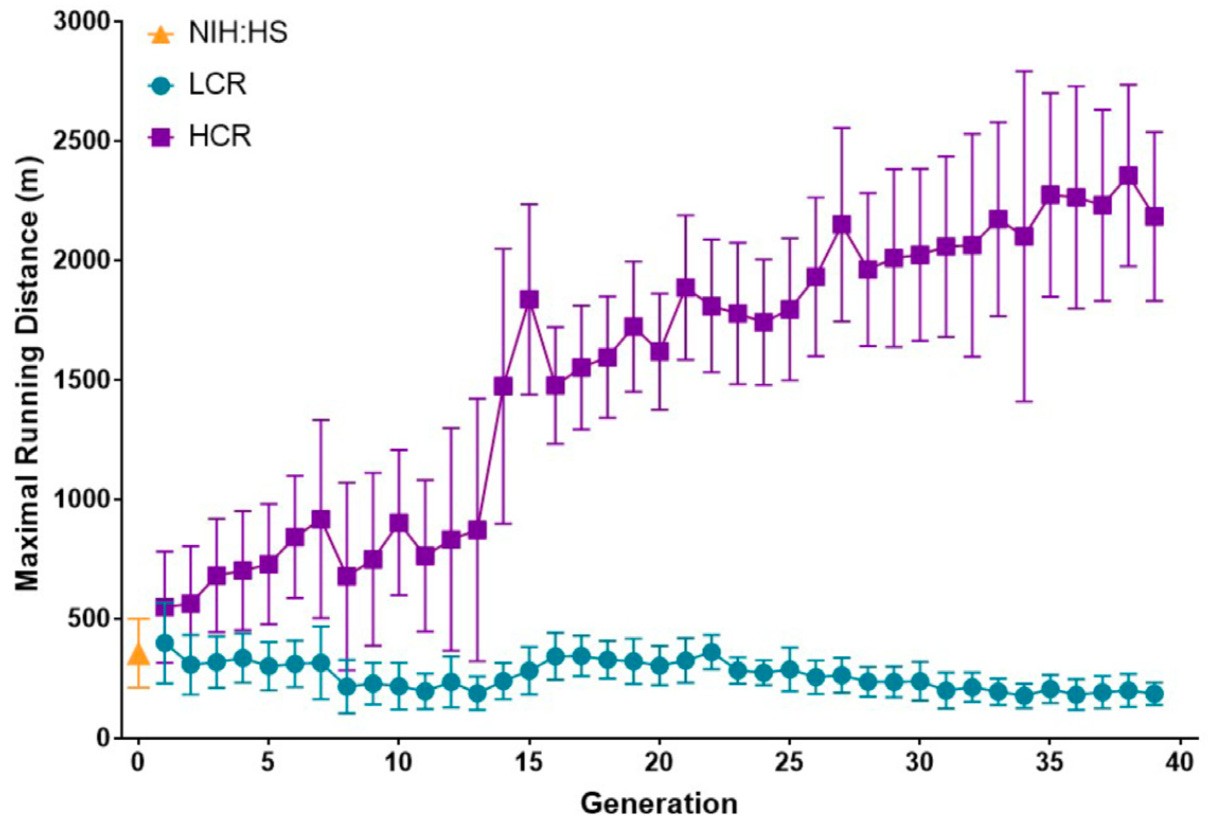
This is strictly the effect of inheritance because these rats did no exercise training. It’s their intrinsic fitness. If fitness wasn’t relevant to health, those traits wouldn’t have been passed down. So what do they look like from a health standpoint as opposed to running performance?
By any health metric you can imagine, the high-capacity runners win. For starters, they live 30-50% longer and lifespan is directly related to V̇O2max.
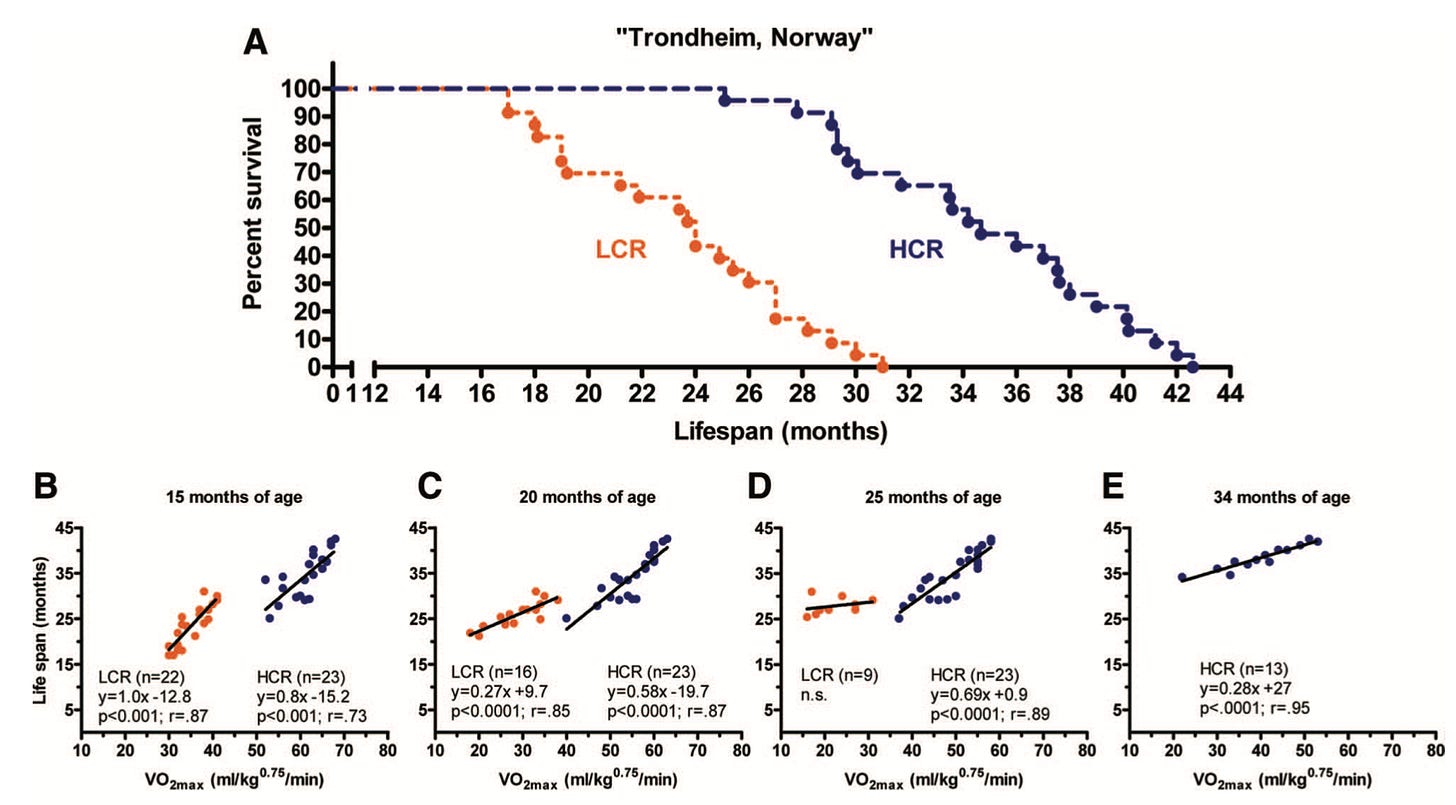
High-capacity runners (HCR’s) live longer than low-capacity runners (LCR) by 30-50% (~10 extra months, which is very long in rats) (A). V̇O2max is directly correlated to lifespan (B to E).
They have better vascular health, lower blood pressure, less inflammation, less weight gain, improved electrical function of the heart, improved antioxidant status, lower blood sugar, insulin, triglycerides, visceral fat, etc. I could go on and on. They’ve even tested more obscure things like alcohol-induced liver damage, which was less in HCR’s.
What does all of this mean?
First of all, if you’re still here, I appreciate it.
My point was to illustrate why V̇O2max is critical from a mechanistic standpoint. It’s our inherited capacity to transport O2 from mouth-to-muscle cell, move electrons, export entropy, and stay organized against the natural drift toward disorder.
Maintaining a high level of fitness should be center stage in any healthcare plan. It represents our energy transfer capacity which underlies the mechanism of every chronic disease. Aerobic fitness isn’t just associated with health, it’s baked into the operating system of complex life.
Source: VO Health Head of Human Performance Sean Langan's Substack: Read More Here

Written by
Sean Langan, PhD
Reading Time
15min