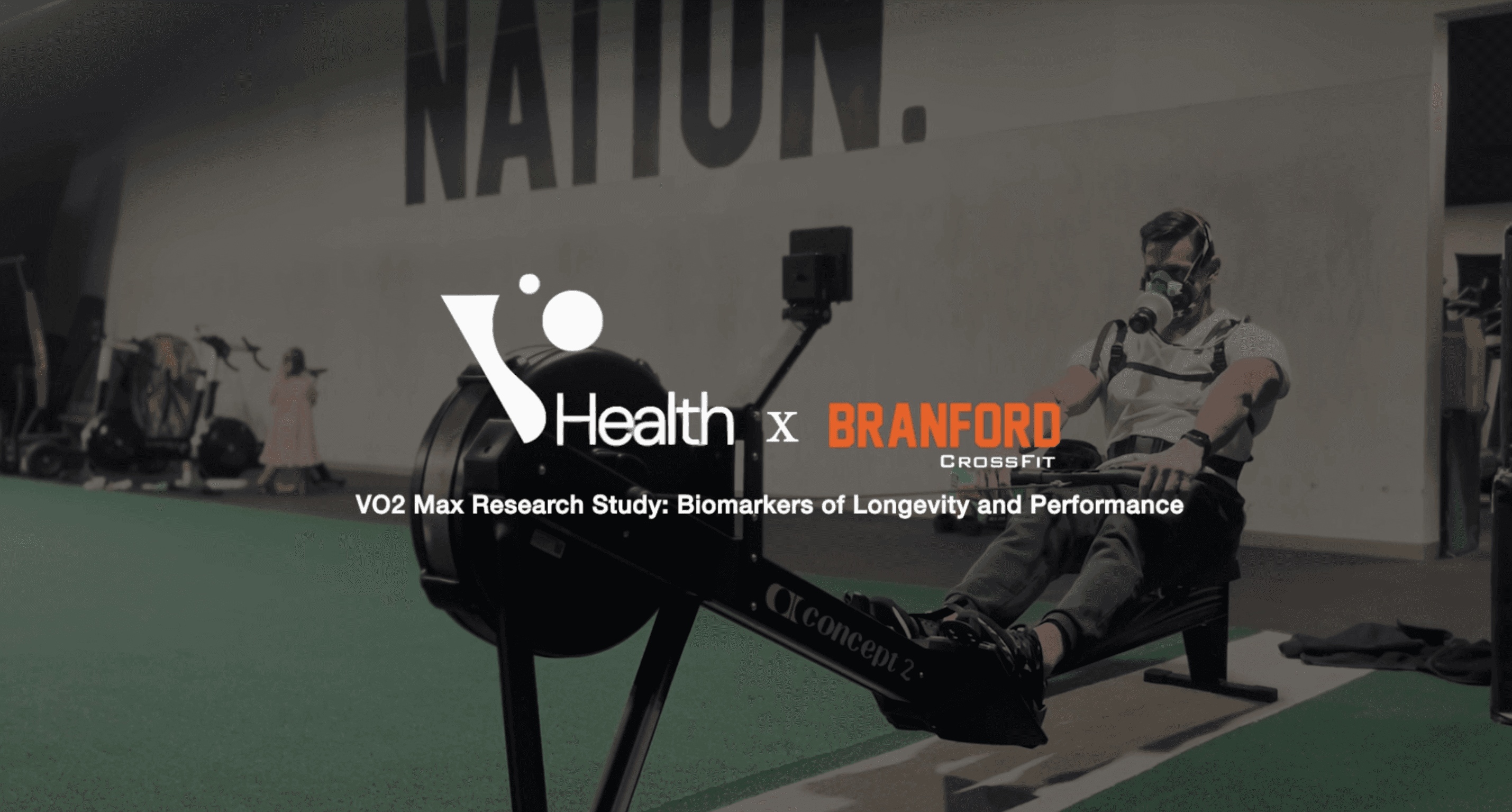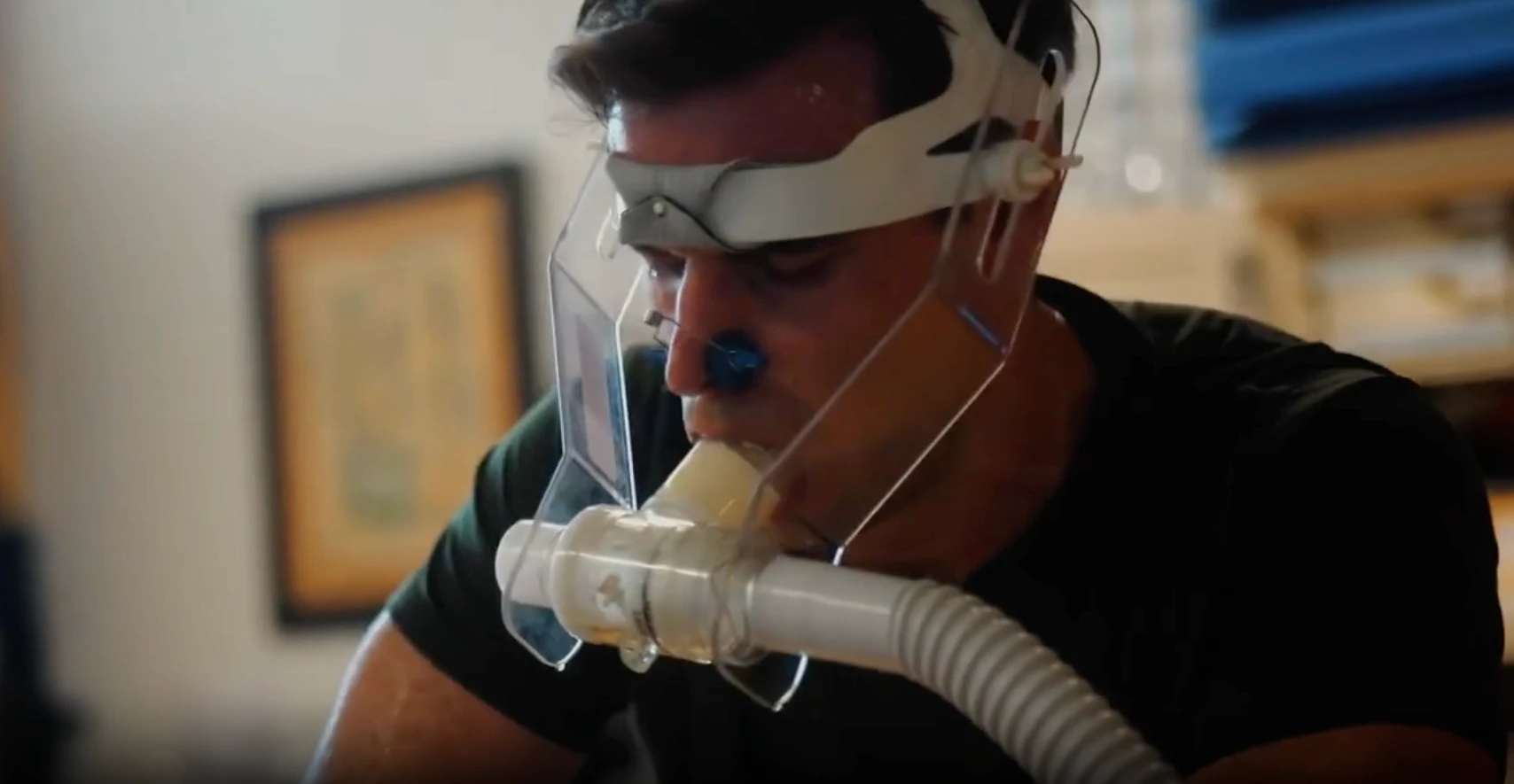
If you've read our blogs on why VO₂ Max matters for health, you already know the foundations: VO₂ Max is your body's maximum oxygen throughput, and it sits at the center of nearly every meaningful health and performance outcome worth tracking. So when our CEO decided to test the limits of his own cardiovascular fitness, he didn't reach for a conventional training plan. He enrolled in a research study at Sacred Heart University with exercise physiologist Dr. Chris Taber and ran the Hickson Protocol, the 50 year old protocol that, in the academic literature, realized the largest ever reported gains in VO₂ Max in a single study. This post covers what the protocol is and why the science behind it is so compelling. The full story of what happened when he actually ran it is in the follow-up blog.
VO₂ Max Is Trainable. But By How Much?
Most aerobic training programs, run at moderate intensity three to five days a week, produce VO₂ Max improvements somewhere in the range of 5 to 15%. The Hickson Protocol sits in a different category.
In the original study, the total increase in VO₂ Max averaged 16.8 ml/kg/min, approximately 44%, over 10 weeks [1]. That reflects what happens when you design a training program around a single, clear objective and don't compromise on it. To date, no controlled study in the published literature has reported a higher improvement in VO₂ Max over a comparable time frame.
Where It Comes From
The protocol originates from a 1977 paper in the Journal of Applied Physiology by R.C. Hickson, H.A. Bomze, and J.O. Holloszy at Washington University in St. Louis. Holloszy was one of the most influential exercise physiologists of the 20th century. In 1967, he was the first to demonstrate that exercise training in rodents produced a doubling of skeletal muscle mitochondria, foundational work that still underpins how we understand aerobic adaptation [2].
The 1977 paper had a specific aim: to track the time course and magnitude of VO₂ Max improvement when the training stimulus stays proportional to the subject's improving capacity. In other words, as you get fitter, the bar rises with you.
The Protocol
Eight subjects exercised for 40 minutes per day, six days per week, for 10 weeks. For three days per week, they performed six 5-minute intervals of cycling on an ergometer against a resistance that elicited VO₂ Max, separated by 2-minute recovery periods at 50 to 60% of VO₂ Max. On the alternate three days, they ran as far as they could in 40 minutes.
Broken down by week, it looks like this:
Week 1: 30 minutes per session
Week 2: 35 minutes per session
Weeks 3 through 10: 40 minutes per session
Weekly lab tests measured VO₂ Max, not as a workout but as a calibration. The cycling intervals were then set to whatever wattage was achieved in that test. As fitness improved, the intervals got harder automatically. The stimulus tracked capacity throughout. There are no rest days built in and no flexibility around session structure.
Why It Works
VO₂ Max reflects the integration of every segment of the oxygen cascade, from lung ventilation to cardiac output to capillary density to mitochondrial density in working muscle. Improving it means stressing and adapting all of those systems simultaneously.
The Hickson Protocol is effective because it does exactly that, consistently, at near-maximal intensity, over a long enough period to drive meaningful adaptation at every level. Cardiac output increases as stroke volume improves. Capillary density in skeletal muscle rises, improving oxygen delivery. Mitochondrial biogenesis, the creation of new mitochondria, increases oxidative capacity at the cellular level [3].
In the original study, VO₂ Max and endurance increased linearly across all 10 weeks with no sign of plateau. [Hickson RC et al. 1977.] That linear progression is what makes the protocol unusual. Most training programs see diminishing returns, while this one kept producing results because intensity was always anchored to current capacity rather than a fixed external load.
Not a Light Undertaking
Six days a week at near-maximal intensity for 10 consecutive weeks is a significant physiological demand. Overtraining risk is real, particularly around weeks five and six when cumulative fatigue starts to compound. Also, the standards of academic paper writing make it such that we don’t know exactly how much work they did, as the protocol necessitated that they run further than the day before in every session.
Before starting, you need a meaningful baseline of aerobic fitness, medical clearance ideally including a baseline cardiopulmonary evaluation, comprehensive biomarker testing to establish a baseline and track response, and a willingness to monitor carefully for symptoms of overtraining: sustained fatigue, mood changes, performance regression, and disrupted sleep.
This isn't a protocol to begin casually. But for those who are prepared for it, the evidence for what it can do is difficult to argue with.
The Bigger Picture
VO₂ Max functions as an upstream variable, one that, when moved meaningfully, tends to shift other health markers downstream: lipids, hormonal function, insulin sensitivity, and inflammatory markers. Someone with a high VO₂ Max can produce and export more energy, building a more resilient biological system.
The Hickson Protocol is one of the most evidence-backed tools for moving that upstream variable. Each 1-MET increase in VO₂ Max is associated with a 13 to 15% drop in all-cause mortality risk, regardless of age, BMI, sex, or comorbidities [4]. If there's a training protocol capable of producing multiple METs of improvement in 10 weeks, it deserves serious attention.
In the next post, we document exactly what happened when our CEO ran it himself, including the week-by-week progression, the plateau, the overtraining, and the full biomarker data before and after.
1] Hickson RC, Bomze HA, Holloszy JO. Linear increase in aerobic power induced by a strenuous program of endurance exercise. J Appl Physiol. 1977;42(3):372–376.
2] Holloszy JO. Biochemical adaptations in muscle: Effects of exercise on mitochondrial oxygen uptake and respiratory enzyme activity in skeletal muscle. J Biol Chem. 1967;242:2278–2282.
3] Gibala MJ et al. Physiological adaptations to low-volume, high-intensity interval training in health and disease. J Physiol. 2012;590(5):1077–1084.
4] Kodama S et al. Cardiorespiratory Fitness as a Quantitative Predictor of All-Cause Mortality and Cardiovascular Events in Healthy Men and Women. JAMA. 2009;301(19):2024–2035